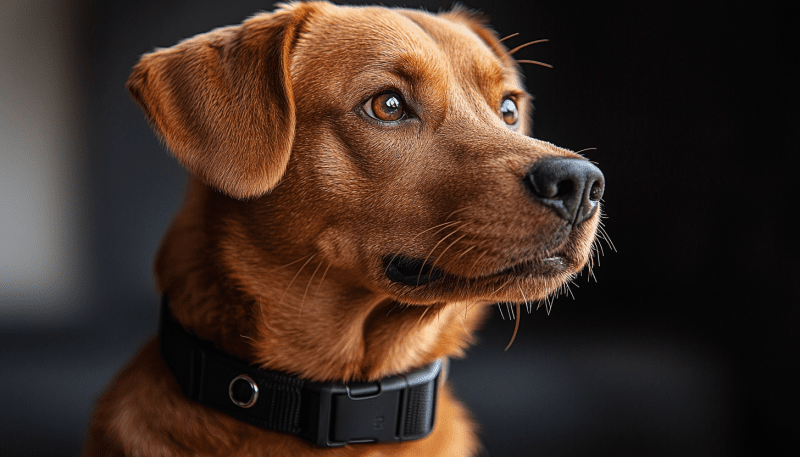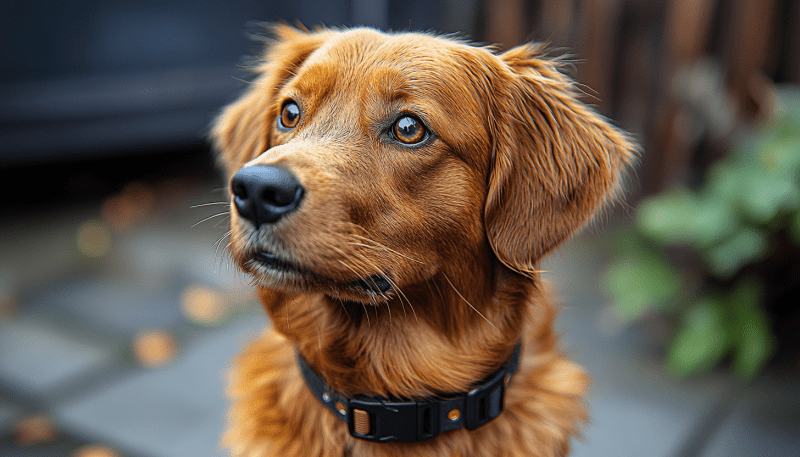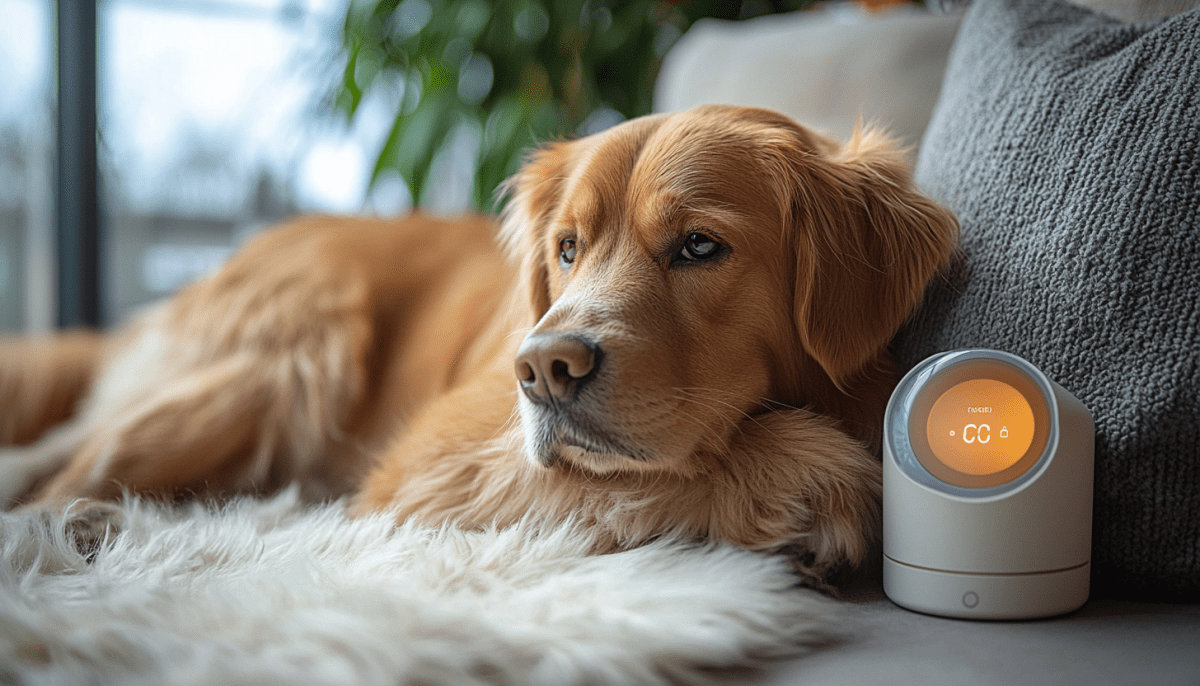
Keeping an eye on your pet’s temperature is super important. Just like us, pets can get sick or overheat, and knowing their temperature can help you catch issues early. A temperature monitor takes the guesswork out of their well-being.
Think about those hot summer days when your furry friend is outside playing. It’s easy for them to overheat, especially in certain breeds. A quick temp check can tell you if they need some shade or a cool drink. On the flip side, if your pet is shivering or acting off, a temperature monitor helps you figure out if they might be getting sick. It’s all about being proactive rather than reactive.
Today's pet temperature monitors are user-friendly. Many have features like smartphone notifications and digital readouts, so you can track your pet's temperature right from your couch. You won’t have to stress about whether you read that pesky thermometer right or not.
Also, it’s not just for emergencies. Regularly checking your pet’s temperature can be part of their health routine, especially if they have special needs or are older. When you know what’s normal for your pet, you can spot any changes quickly and get them the help they need.
How to Choose the Right Monitor
Choosing the right pet temperature monitor can feel a bit overwhelming, but it doesn’t have to be. Start by thinking about what you really need. Are you looking for something simple that gives you quick readings, or do you want a high-tech option that connects to your phone and tracks your pet's temperature over time?
Look for features that suit your lifestyle. If you're always on the go or travel with your pets, a portable monitor is a must. Some models are compact and easy to pack. If you're a tech lover, consider monitors that sync with apps. They can give you alerts if your pet's temperature goes too high or low, so you can react quickly.
Check the accuracy ratings, too. You want a monitor you can trust. Read reviews from other pet owners to see which models have performed well. A good monitor should provide consistent readings while being comfortable for your furry friend. Look for designs that can easily be used with minimal fuss.
Lastly, think about your budget. Pet temperature monitors can vary widely in price, so set a range that feels comfortable for you. Remember, the cheapest option isn’t always the best. Investing in a reliable monitor can save you time, stress, and money in the long run.
Features to Look for in Monitors
When you're on the hunt for a pet temperature monitor, there are a few key features that can really make a difference. First up, accuracy is non-negotiable. You want a monitor that gives you precise readings so you can keep your furry friend safe and healthy. Look for models that specify their accuracy level, typically within a degree or so.
Next, consider how easy it is to use. Some monitors are complicated, with buttons that confuse even the most tech-savvy pet parent. Choose one that’s user-friendly, with a clear display and intuitive controls. Wireless options are a plus; you can get readings right on your phone without any hassle.
Battery life can’t be overlooked either. A monitor that has to be constantly recharged is not going to cut it. Look for long-lasting batteries or a rechargeable design that won’t need constant attention. This way, you can focus on caring for your pet instead of fiddling with your gadgets.
Lastly, check for additional features like alerts and integrations. Some monitors send notifications if your pet's temperature goes outside the normal range, so you can act quickly. If it connects to apps or other devices, that’s even better. You’ll have a complete view of your pet's health right at your fingertips.
Tips for Using Temperature Monitors Correctly
Using a temperature monitor for your pet can be super helpful, but you want to make sure you're getting it right. Here are some handy tips to help you use your temperature monitor like a pro.
First off, always read the instructions. Each monitor might have its quirks and knowing how it works can save you a lot of head-scratching later. Don’t skip this part! You want to ensure the monitor is set up correctly from the start.
Next, choose the right time to take your pet’s temperature. It’s best when they’re calm and relaxed—after a good nap is usually a good time. If your pet is active or stressed, you might not get an accurate reading.
Remember to clean the thermometer before and after each use. Dirt and fur can affect the readings. A little prep goes a long way in keeping your monitor reliable. Also, be gentle when inserting it and follow the instructions closely to avoid any discomfort for your furry friend.
Lastly, keep an eye on the readings over time. If you notice any unusual spikes or drops in temperature, reach out to your vet. Consistency is key, and being proactive can help you catch any health issues early! Just trust your instincts, and your pet will thank you.